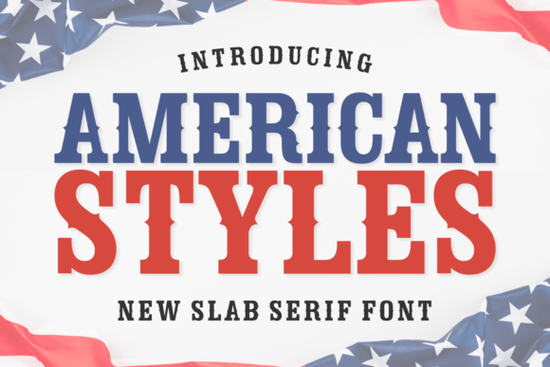
If you're looking for a slab serif font that feels authentically American think roadside diners, vintage parade banners, or hand-printed brewery labels the American Styles Font fits naturally into those projects. It’s not just another bold typeface; it’s designed with intention: thick, blocky letterforms softened by subtle calligraphic tapering and sharp, pointed serifs. That contrast gives it presence without stiffness, and the built-in woodblock ink texture adds quiet authenticity not a filter, but part of the design itself.
What makes American Styles different from other slab serifs?
Most slab serifs lean either ultra-modern (like Rockwell) or aggressively retro (like Courier New). American Styles sits comfortably in the middle: sturdy enough for signage, expressive enough for apparel. Its drop shadow effect isn’t decorative fluff it’s baked in to mimic how ink settles on coarse paper in mid-century letterpress work. That means less manual layering in your design files and more consistent results across print and digital mockups.
You’ll notice details like uneven stroke endings and slight variations in weight across characters small things that add warmth and avoid the “too-perfect” look common with digitally generated fonts. If you’ve ever tried pairing a clean sans-serif with a rustic background image and felt something was off, this is the kind of typeface that bridges that gap visually and tonally.
Where does it work best in real projects?
This font shines where personality and place matter. Think beyond just “Independence Day.” It supports storytelling whether you’re designing:
- Local distillery or craft brewery labels (especially for bourbon, rye, or small-batch sours)
- Veteran appreciation posters or community center event flyers
- Rustic wedding signage welcome boards, menu cards, or barn door chalkboards
- Historical society brochures or small-town parade banners
- Vintage-style t-shirts, aprons, or tote bags sold through print-on-demand platforms
It pairs well with simple sans-serifs like Montserrat or Lato for body text, letting the headline breathe while keeping readability high. For crafters using Cricut or Silhouette machines, the bold outlines and clear shapes cut cleanly even at smaller sizes and hold up well when heat-pressed onto fabric or wood.
How does it compare to similar fonts on Creative Fabrica?
If you already own or have browsed Redtown Font, you’ll recognize some shared DNA both are slab serifs with Americana roots but American Styles leans more into mid-century printing traditions, while Redtown has a slightly more condensed, industrial feel. Where Redtown works well for tight spaces like bottle caps or narrow tags, American Styles opens up better for large-format prints, wall decals, or social media headers.
For designers who collect versatile slab serifs, having both gives flexibility: one for tight, functional layouts; the other for expressive, nostalgic moments. Neither replaces the other they complement.
Practical tips before you download
Before adding American Styles to your next project, keep these in mind:
- Use it for headlines only. Its texture and weight make it harder to read in long paragraphs or small point sizes.
- Test spacing early. The built-in drop shadow adds visual depth but can affect line height adjust tracking and leading in your layout app, especially if stacking multiple lines.
- Check file formats. The Creative Fabrica version includes OTF and TTF, plus web-ready WOFF so it’s compatible with Canva, Adobe apps, Cricut Design Space, and most POD platforms.
- Pair thoughtfully. Avoid other heavily textured or distressed fonts nearby it’s strong enough to stand alone with clean supporting type.
If you want to see how it looks alongside other fonts in the same family or era, you can explore more options directly on Creative Fabrica like the American Styles Font page or browse related slab serif fonts using the category filter.
One last note: because of its intentional texture and shadow, it’s worth previewing on your actual output method especially if printing on kraft paper or uncoated stock. What looks crisp on screen may soften slightly in physical form, and that’s often exactly the charm.
Next step: Open a current project where you’ve used a generic bold font for a headline swap in American Styles, adjust size and spacing, and compare side-by-side. You’ll likely spot the difference in tone immediately: less generic, more grounded.
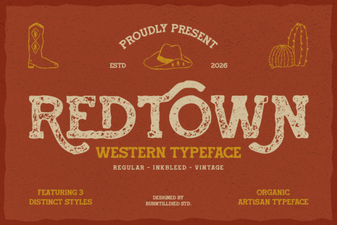 Redtown Font: Creative Design Tips & Project Inspiration
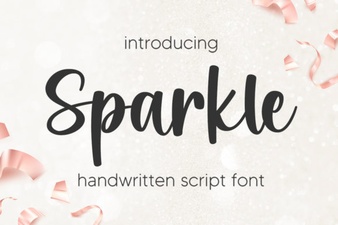 Sparkle Fonts for Design & Creative Projects
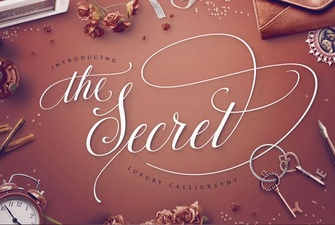 Unlock Creativity with the Secret Font's Unique Designs
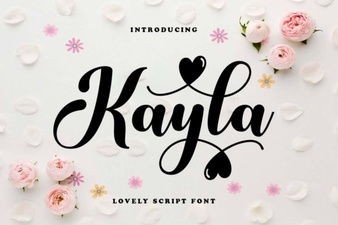 Kayla Font: Free & Downloadable Custom Script Design
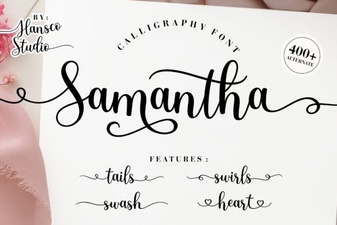 Samantha Calligraphy Font for Creative Projects
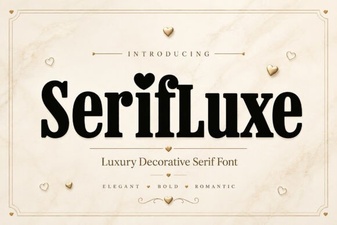 Serifluxe Font: Style & Clarity for Any Design